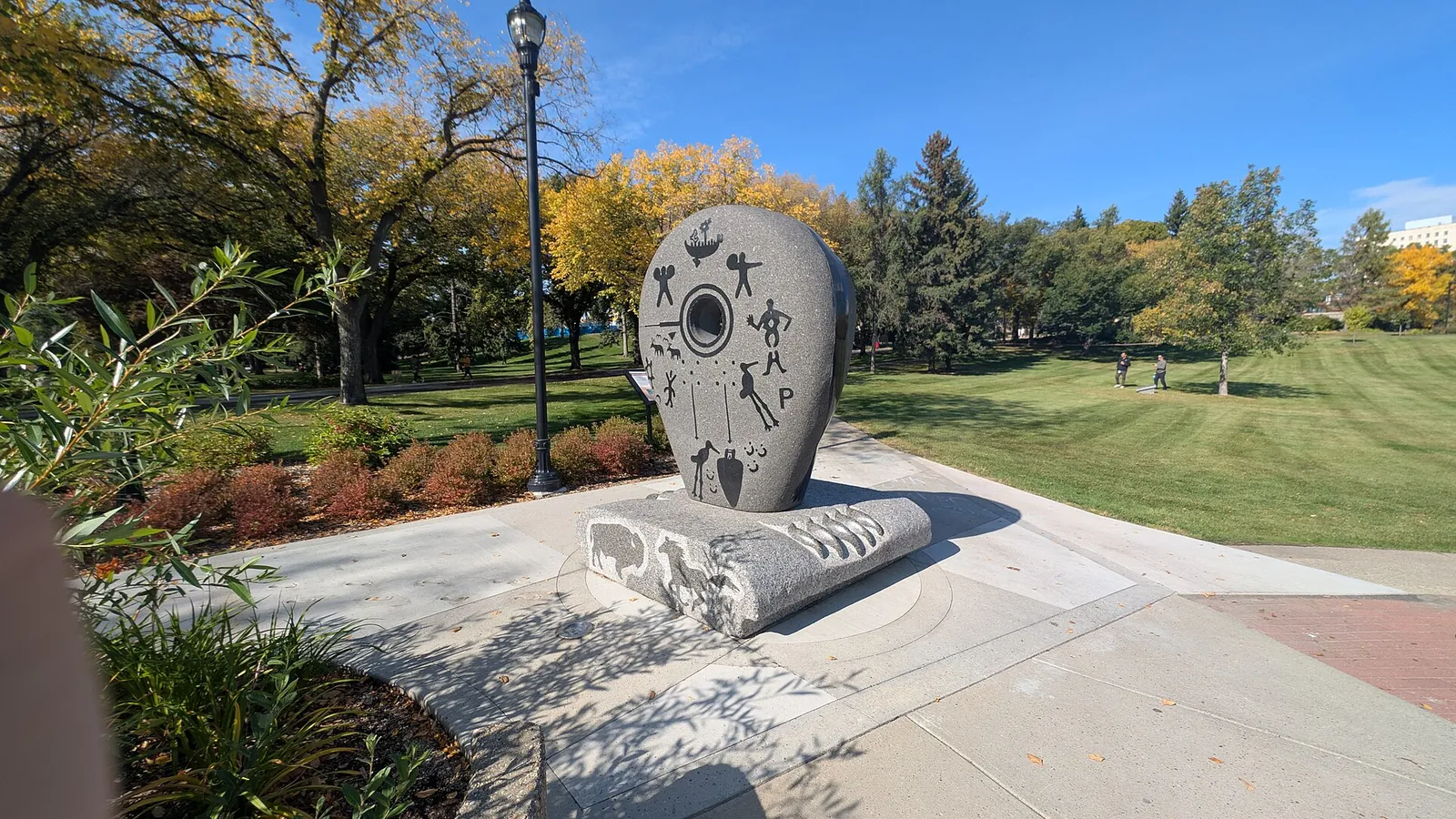
Residential schools separated Indigenous children from family and language under a government policy. A global playlist can repeat one commercial style across many cities. Call the school policy assimilation, a service gap marginalization, and the one style playlist homogenization.
About 50 min one-to-one, or 60 min with a small group
1. Warm up (5 to 10 min): Ask the quick questions with notes closed.
2. Teach: Work through the lesson slides in order.
3. Coach practice: Use the student examples and try-it tasks.
4. Check: Finish with the outcome prompts below.
Warm-up questions
What do tutors already know about residential schools in Canada?Listen for: Listen with care. Many will know children were taken from families. This sets up assimilation.
What might happen to local music if every city played the same top songs?Listen for: Local styles could fade. This hints at homogenization.
What does it mean to be pushed to the edges of a community?Listen for: Being left out of services or decisions. This sets up marginalization.
What to check they understood
1.8
Ask them to explain the difference between assimilation, marginalization and homogenization with one example each.
A strong answer links residential schools to assimilation, a service gap to marginalization and a global playlist to homogenization, and explains each term.
1.8
Ask them to explain why residential schools were a government policy and what they did to language and family.
A strong answer says the government ran or funded the schools, children were separated from families and punished for their languages, and the harm continues across generations.
Likely gaps from earlier grades
Students may describe assimilation as a choice. Stress that residential schools were forced policy.
Class slides
Work through the class slides
1 / 7
A policy and a playlist
For more than a century, Canadian law and churches ran residential schools for Indigenous children.
The Truth and Reconciliation Commission heard survivors and described family separation and language loss.
This week a global playlist on a phone repeats one commercial style in many cities.
Mother Earth Circling stands on the grounds of the Alberta Legislature in Edmonton. Stewart Steinhauer, an artist from Saddle Lake Cree Nation, carved it. It honours the children sent to residential schools, the survivors, and the families who still carry that loss. Its full title speaks of healing from the residential school experience.