Historical globalization ran on profit, machine production, empire, and a story that put Europe at the centre. On the map, cotton moves by sea to British mills, and cloth moves back to colonial markets.
About 50 min one-to-one, or 60 min with a small group
1. Warm up (5 to 10 min): Ask the quick questions with notes closed.
2. Teach: Work through the lesson slides in order.
3. Coach practice: Use the student examples and try-it tasks.
4. Check: Finish with the outcome prompts below.
Warm-up questions
Where does the cotton in their shirt come from?Listen for: Often another country. This connects to cotton trade history.
Why did factories change how goods were made?Listen for: Machines made goods faster and cheaper. This sets up industrialization.
What does it mean for a map to put Europe at the centre?Listen for: It shows Europe as most important. This hints at a Eurocentric story.
What to check they understood
2.7
Ask them to explain how capitalism, industrialization and empire worked together using the cotton map.
A strong answer describes raw cotton shipped to British mills, cloth made by machines and sold back to colonial markets, and profits flowing to Britain.
2.8
Ask them to explain who gained and who lost in the cotton trade.
A strong answer says British mill owners and merchants gained, and colonized growers and local weavers lost income and control.
Likely gaps from earlier grades
Students may treat industrialization as only progress. Ask who paid the costs.
Class slides
Work through the class slides
1 / 7
Cotton and a mill town
In the 1800s British mills spun cotton at a scale far beyond a row of hand looms.
Much of the fibre and much of the later cloth market sat in colonized lands, including India.
Indian hand weavers lost markets as factory cloth and colonial rules reshaped their trade.
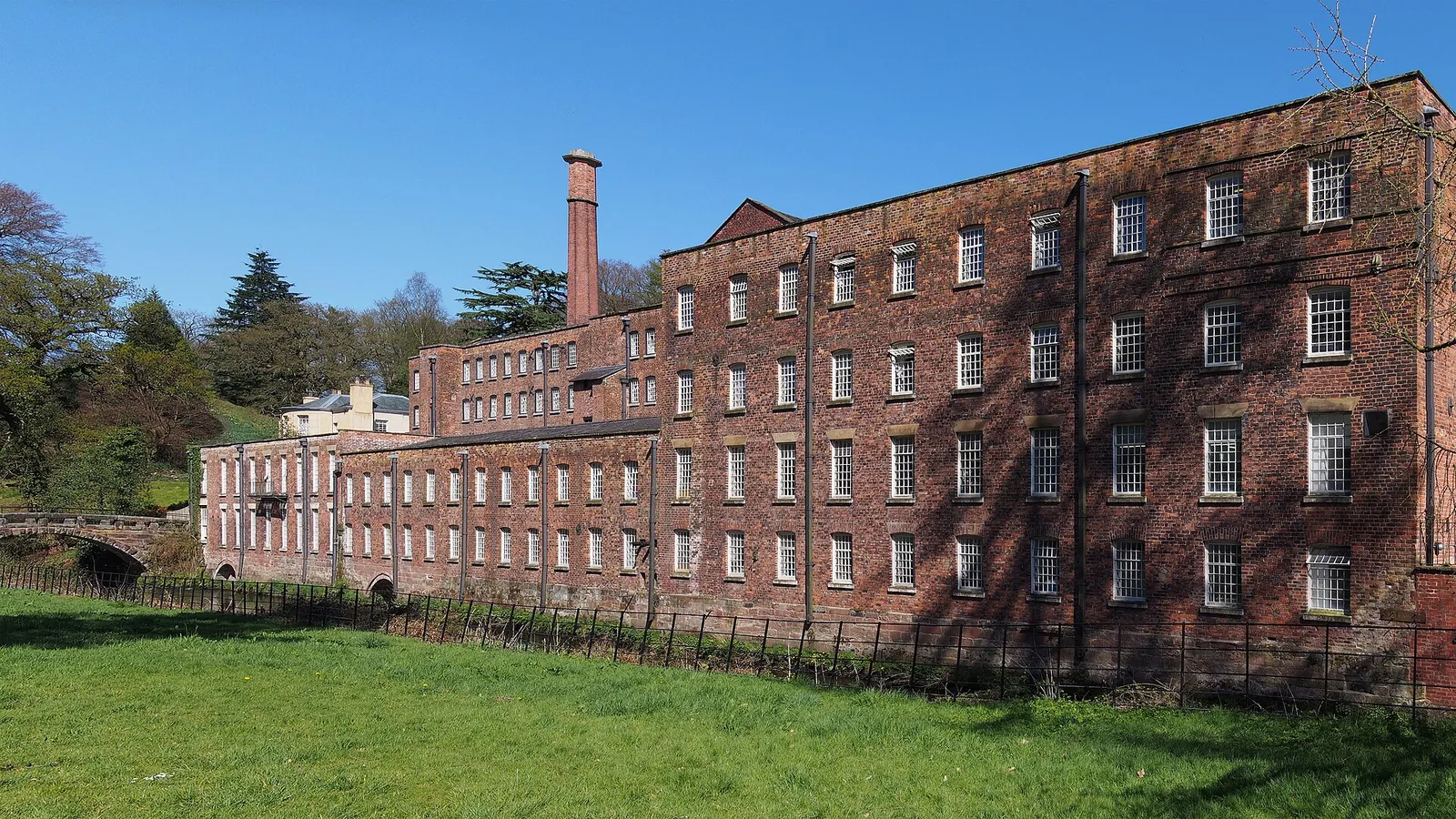
Quarry Bank Mill in Cheshire, England, opened in 1784. A water wheel turned machines that spun cotton thread far faster than spinning by hand. Much of the raw cotton came from plantations in the Americas worked by enslaved people, and the cloth was sold across the British Empire.