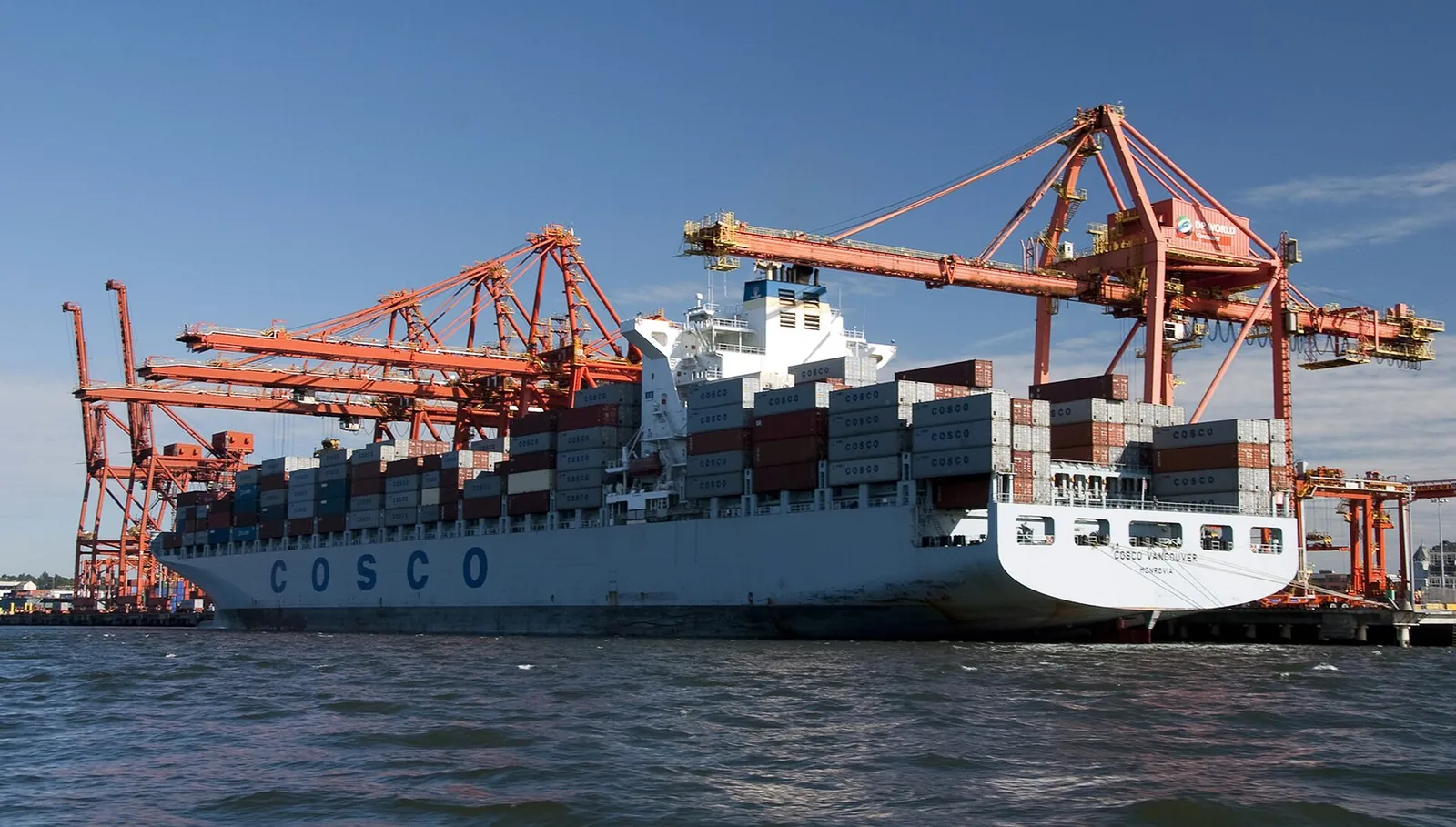
After 1945, the United Nations, a tariff agreement, container ships, the public web, and the World Trade Organization widened economic links. Read each date for the new rule, ship, or tool it adds.
About 50 min one-to-one, or 60 min with a small group
1. Warm up (5 to 10 min): Ask the quick questions with notes closed.
2. Teach: Work through the lesson slides in order.
3. Coach practice: Use the student examples and try-it tasks.
4. Check: Finish with the outcome prompts below.
Warm-up questions
How did the shipping container change trade?Listen for: It made loading faster and cheaper. Listen for scale of trade.
What is a transnational corporation? Can tutors name one?Listen for: A company working in many countries. Any real example works.
How did the public web change how companies do business?Listen for: It allowed instant global communication and sales. This connects to recent expansion.
What to check they understood
3.5
Ask them to put the United Nations, container ships, the public web and the World Trade Organization in order and explain what each added.
A strong answer orders them from 1945 to 1995, and names a new rule, ship or tool each added to world trade.
S.9
Ask them to spot an oversimplification in the statement that container ships alone created globalization.
A strong answer explains that many factors worked together, names at least two others, and rewrites the statement more accurately.
Likely gaps from earlier grades
Students may list events without linking them. Ask what each one made easier.
Class slides
Work through the class slides
1 / 7
Shipping and digital media
In 1956, Malcolm McLean's ship Ideal X carried truck bodies as same-size containers from Newark toward Houston.
In 1991, the World Wide Web opened a public way to send designs, orders, and ads across borders in seconds.
A shipping‐company advertisement and a dockworkers' report describe that same industry for different purposes.
A container ship at a terminal in Vancouver. Every box is built to the same size, so a crane can lift it from the ship straight onto a train or truck. Containers like these, first carried this way in 1956, cut the cost and time of moving goods between countries.