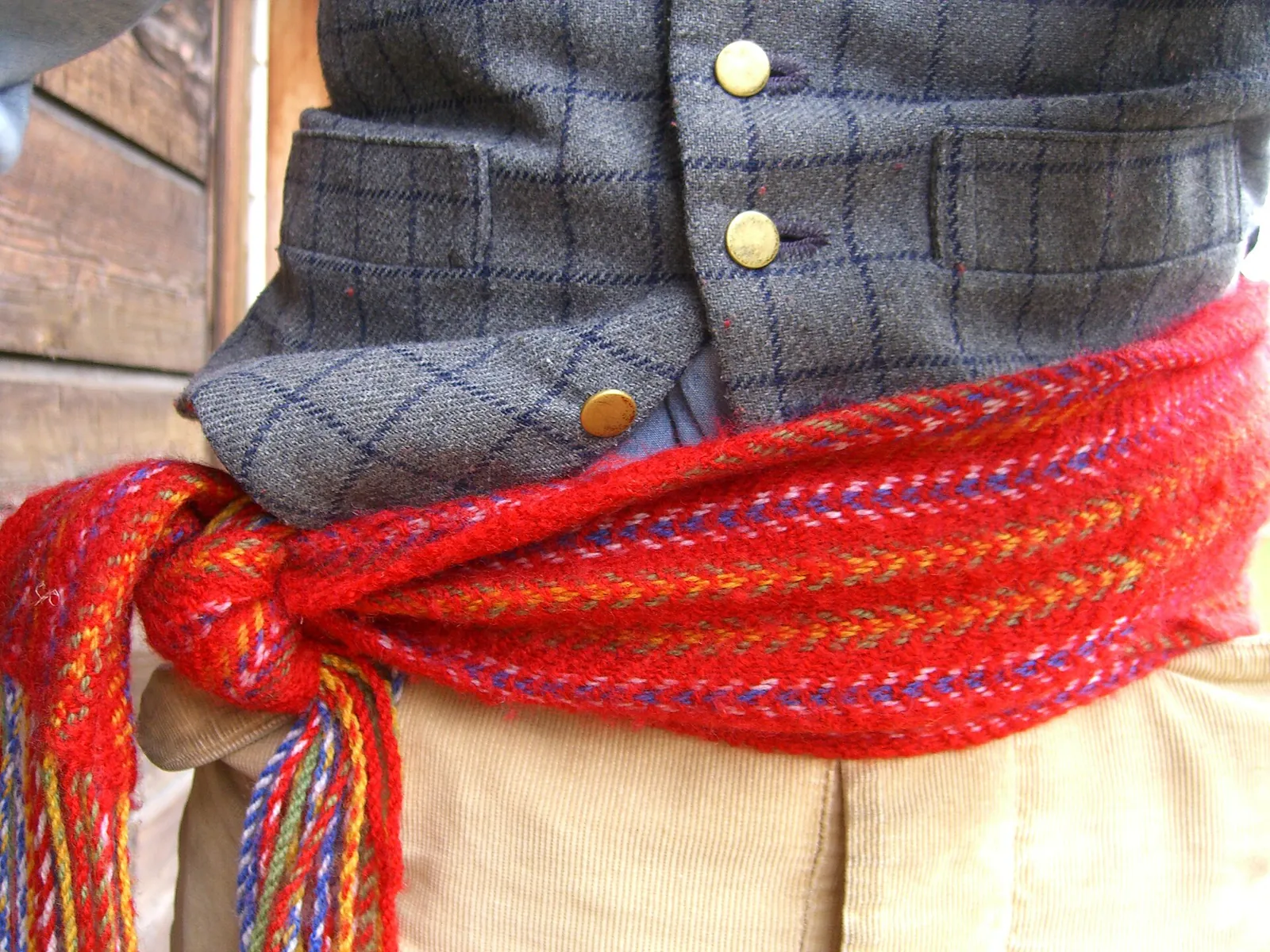
A Métis sash and fiddle, a Sikh dastaar, and a play in French are public ways people show who they are. Notice the family, the school rule, or the booked hall that keeps each one visible.
About 50 min one-to-one, or 60 min with a small group
1. Warm up (5 to 10 min): Ask the quick questions with notes closed.
2. Teach: Work through the lesson slides in order.
3. Coach practice: Use the student examples and try-it tasks.
4. Check: Finish with the outcome prompts below.
Warm-up questions
What is something tutors wear, eat or celebrate that shows who tutors are?Listen for: Any personal example. This connects identity to visible expression.
Why might a Métis sash matter more than a piece of cloth?Listen for: It carries history, family and community meaning. Listen for symbol.
Who or what helps keep a tradition going in their community?Listen for: Families, schools, clubs or elders. This sets up supports for identity.
What to check they understood
1.2
Ask them to explain how a Sikh dastaar or a Métis fiddle tune expresses collective identity.
A strong answer describes the item, names the group it connects to, and explains the shared history or values it carries.
1.4
Ask them to identify what keeps one public expression of identity visible, such as a school rule or a booked hall.
A strong answer names a specific support, explains how it keeps the expression alive, and predicts what would happen if the support were removed.
S.5
Ask them to describe a respectful way to ask a classmate about a tradition they practice.
A strong answer suggests open questions, listening without judging, and accepting if the classmate prefers to keep it private.
Likely gaps from earlier grades
Students may confuse individual taste with collective identity. Ask who else shares the tradition.
Class slides
Work through the class slides
1 / 7
Four public expressions
A Métis youth wears a sash and plays fiddle tunes learned from an aunt at a community gathering.
A Sikh classmate ties a dastaar before school as part of religious practice.
A Francophone troupe rehearses a play in French for parents and neighbours.
A ceinture fléchée, or arrow sash, worn at Fort Langley National Historic Site in British Columbia. Fur trade workers tied these finger woven wool sashes around their waists. Today the sash is a proud symbol of Métis identity, and Métis families teach young people how to weave it and when to wear it.